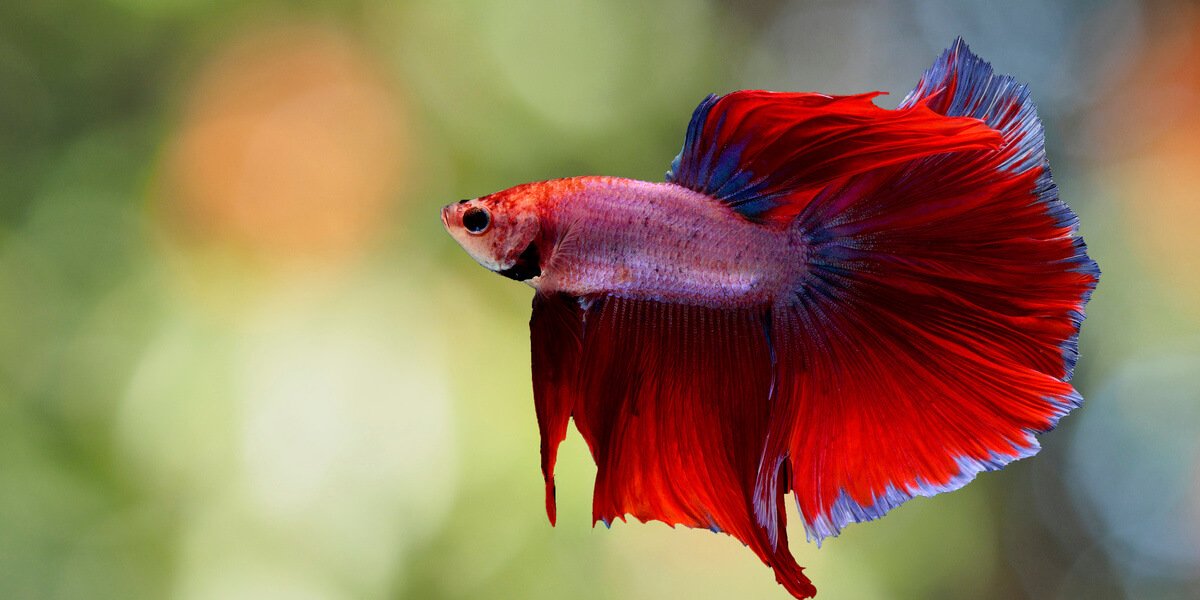
In fact, due to their aggressive behavior, Betta are not good armor mates for many fish. Many Betta fish owners decide that they are solitary fish and have too many of them in the tank. They are the perfect fish, but if you just want to keep one fish in your tank, it doesn’t have to be lonely.
Just because Bettas are lonely fish doesn’t mean they don’t mind being alone. It is not that they feel bad or that they do not like or need the company of other fish. They also prefer to be lonely, and in many cases they become territorial and aggressive when other fish enter the tank. Bettas are prone to fin rot and other diseases due to their long fins, and maintaining an undersized fish tank increases their risk of exacerbating or developing these problems.
Research from the University of Ghent in Belgium says that betas can become stressed when they share a tank with another fish, as they see rivals within their borders and cannot escape to see what they can do with other nearby tanks. If the tank is too small, it can be boring for Betta’s fish to live in.
Snails in the tank can trigger territorial instincts in your Betta fish and make them aggressive. Pay attention to the size of the tank and fish you add to the tank as a tank that is too small to hold a new fish like a betta can do more harm than good. Once you have a betta fish in the tank, it should be happy to swim alone.
While you should not keep several Betta fish in one tank, you can introduce other species as aquarium partners depending on the temperament of your fish. A variety of species, including snails (M. platy), African dwarf frogs and ghost shrimps are certain fish species that can swim in the same tank and make your Betta feel safe.
I wrote a guide for keeping Betta fish in a community tank that tells you everything you need to know about Bota fish and their conspecifics. Here’s how it takes care of a Betta including its history, life, feeding needs, tank setup and ideal tank companions so you can set up your Betta fish to thrive.
Bettas are known as solitaire fish, and if you’ve had a few, you know why. However, adding another animal or fish to a Betta tank can cause serious damage.
When presenting your Betta as a new fish, it is important to keep an eye on the tank as much as possible. Betta fish are not lonely, so you don’t have to feel bad watching your fish roam the tank alone. Not only are you smart and curious, you’ll also notice when someone spends time playing with the FBI in a tank.
If you welcome a Betta fish to your house, you might be worried that it will look lonely in its own tank. In fact, if you look around the pool, you could swear that the beta-mouth is more open than usual and that it is lonely. Betta, however, are happy fish and will devote themselves to activities such as torches and dancing in the pool.
Redecorating is one of the easiest and most cost-effective things, and you can make your Bettas fish curious by rearranging accessories around them and their aquarium. From teaching them how to jump and move through hoops and ping pong to ping pong balls at one end of the aquarium and nets on the other, there are things you can do to keep you and your betta fish entertained and occupied. But if you make them happy, you have to do more than just hope for a new fish aquarium.
Many people who buy a buckfish (or Siamese fighting fish) on a whim do not know that proper betta care is much more complicated and expensive than they realize.
If you plan to keep more than one Betta female, make sure you place her in a large Betta sorority aquarium. If you have Betta or other accompanying fish, remember that you must provide as much food as they can eat in three minutes. Also note that the behavior of your Betta fish can change and they can become more aggressive with a new tank partner.
It makes sense that there are several generations of Betta fish. They are the ones who survive and pass on their genetic material and develop into tough fighters and intelligent hiding places.
 Betta fish for sale